
Most people buy tech backwards. They start with the product—a laptop, a pair of headphones, a shiny new dock—and then try to fit their life around it. That’s why they end up with a drawer full of chargers that don’t work together, a backpack that’s either too heavy or too small, and a desk setup that looks great on YouTube but falls apart in a one-bedroom apartment.
I know because I spent over a decade watching people make those mistakes. And then watching them come back to return or replace what they bought.
The Problem with Product-First Thinking
When someone walks into a store asking “Which laptop is best?”, they’re already asking the wrong question. Best for what? Best for whom? Best for the life they actually live, or the life they imagine they’ll live?
I worked at Best Buy and Micro Center for more than twelve years, mostly in consultative sales. I wasn’t the guy who sold you the most expensive thing. I was the guy coworkers pulled in when a customer’s problem wasn’t “which laptop is best?” but “how do I build the right setup for the life I actually live?”
That second question is harder. It involves tradeoffs. It means thinking about your commute, your apartment size, your spouse’s tolerance for cable clutter, and how many times you realistically want to plug and unplug things every day.
Most tech reviews don’t help with that. They list specs. They compare benchmarks. They tell you a screen is 1000 nits or a battery lasts 14 hours in a lab. But they don’t tell you what it’s like to use that thing on a crowded train, in a noisy café, or on a desk that has to double as a dining table.
What I Learned from a Decade of Returns
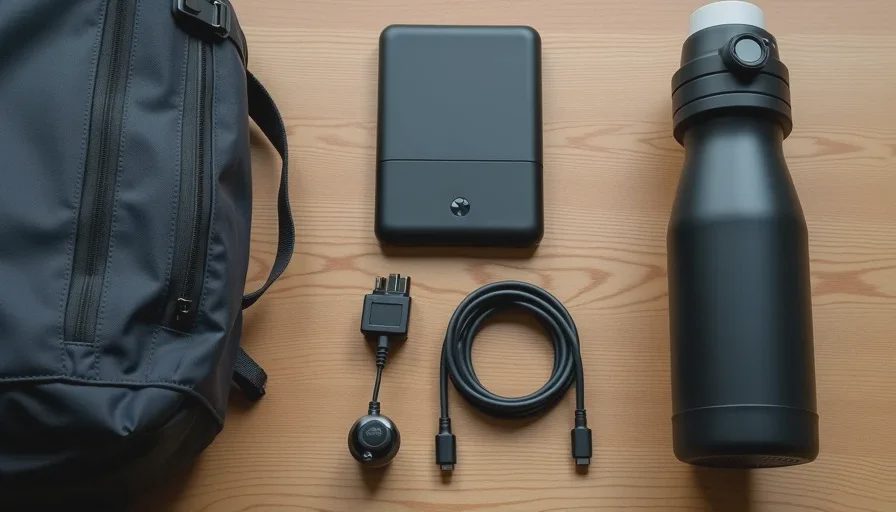
The most valuable education I got wasn’t from product training. It was from watching what people returned.
I saw the $200 wireless earbuds that kept falling out during commutes. The $80 charger that died after three months. The $300 portable monitor that was too dim to use near a window. The “perfect” backpack that had no dedicated place for a water bottle.
I also saw what people kept. The boring stuff. The $25 cable that never frayed. The $40 mouse that just worked. The $60 bag that survived two years of daily abuse.
That’s the real data. Not spec sheets. Returns and regrets.
What This Blog Is (and Isn’t)
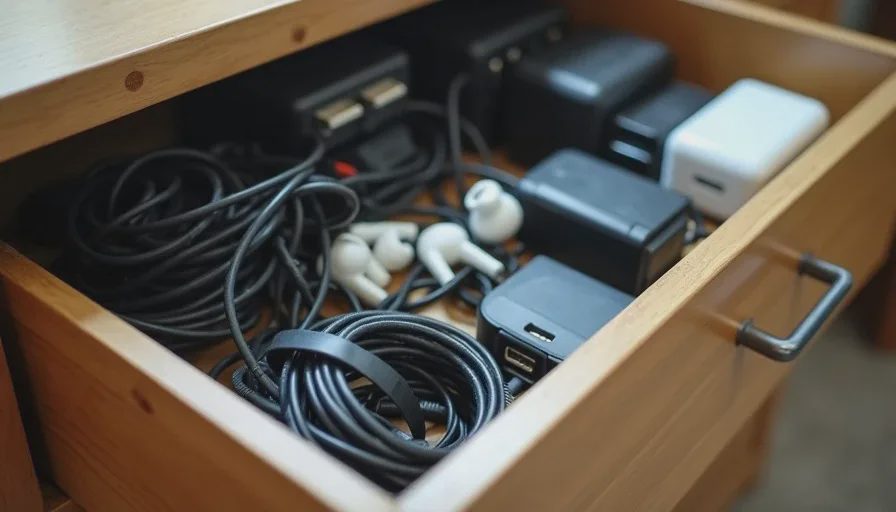
This blog is not another spec-sheet flex. It’s not a place where I pretend any product is perfect. It’s not a place where I review something after 45 minutes and call it a day.
This blog is a scenario-based recommendation system. It’s built around real work-life contexts.
Instead of “best laptop,” I’ll write about “best café work kit under $1,500.” Instead of “best monitor,” I’ll write about “best apartment desk audio without annoying your spouse.” Instead of “best charger,” I’ll write about “best commuter charging setup that doesn’t turn into cable spaghetti.”
The goal is simple: help you build a setup that works for your actual life, not an imaginary one.
The Four Things You’ll Find Here
I’ll organize everything into four categories:
Commute Loadout — Everyday carry setups for people moving between train, office, and home. Bags, chargers, battery packs, compact peripherals, and carry discipline.
Café Shift — Mobile work gear for coffee shop sessions. Battery life, screen privacy, keyboard sanity, seat strategy, tethering backup, and noise-aware audio choices.
Desk That Works — Home-office and apartment desk setups built for real living spaces. Shared rooms, spouse tolerance, cable management, lighting, ergonomics, and daily usability.
No-Regret Buys — Straight buying advice for specific people and constraints. Budgets, work styles, space limits, device ecosystems, and the difference between “premium” and “actually worth it.”
I’ll update the first two and the last one twice a week. Café Shift gets a weekly post.
How I Test and Recommend
I don’t publish reviews before real-life usage reveals friction. If I recommend something, it’s because I’ve used it, or I’ve watched dozens of people use it and come back with feedback. I’ll always tell you the tradeoff. I’ll always respect your budget. And I’ll never claim a product is perfect.
My voice is conclusion-first. I’ll give you the short answer, then explain the reasoning. I’ll use plain English, not marketing jargon. And I’ll keep it dry-warm—slightly amused, but never smug.
A Little About Me

I’m Colin Harwood. I’m 38 and live in Chicago. I split my week between a city apartment, a suburban fixer-upper, and whatever café has decent Wi-Fi and sane noise levels. I’m married, no kids yet, currently planning for a more permanent family home setup. I’m a regular city cyclist. I’m obsessive about storage, cable order, and making small spaces function better. I test cafés as temporary workspaces almost by habit. My weekend energy goes into home-office tuning and old-house improvement decisions.
I write the way I used to sell: lead with the answer, then explain the tradeoff before you overspend.
Start with the Life, Then Buy the Gear
If you’re tired of buying the wrong thing, stick around. I’ll help you avoid the mistakes I watched thousands of people make. I’ll help you build a setup that fits your commute, your café sessions, your apartment, and your budget.
Start with the life, then buy the gear.
That’s the whole philosophy. Everything else follows from it.


No letters yet — be the first guest to write.